


The Complete Guide to Japan Property Types: From Apartments to Land – Essential Reading for Investors & Homebuyers
Japan’s real estate market offers diverse options, with significant variations in investment returns, management requirements, and tax structures across different property types. This guide provides a detailed breakdown of Japan’s 5 major property categories to help you find the perfect investment!
1. Apartment (マンション)

Ideal for: Long-term rentals, small-scale investors, urban dwellers
Key Features:
Primarily reinforced concrete (RC/SRC) construction, with post-1981 buildings meeting updated earthquake standards
Mandatory monthly fees:
Management fees (管理費)
Repair reserve fund (修繕積立金, ¥10,000–30,000/month)
Ownership includes:
Private units (専有部分)
Shared common areas (共有部分)
Advantages:
Professional management (ideal for overseas investors)
Low vacancy rates in Tokyo/Osaka urban centers
Disadvantages:
Repair fund costs may increase with building age
Higher fees for luxury condos
2. Detached House

Detached Houses in Japan: Ideal for Families, Long-Term Hold & Land Investment
Key Features:
Standalone structure with permanent land ownership (freehold)
Construction types:
Wooden (木造): Lower cost but shorter lifespan
Reinforced Concrete (RC造): Higher cost, better earthquake resistance
No monthly management fees, but owner handles all maintenance
Advantages:
✅ Land appreciation potential (especially in developing areas)
✅ Customization freedom (rebuild/renovate, subject to regulations)
Disadvantages:
⚠ Lower rental yields (vs. apartments) due to higher purchase prices
⚠ Liquidity risk in rural areas (harder to resell)
3. Whole-Building Property

Key Features:
Whole-building sales (typically 5-20 units as a single asset)
Professionally managed (ideal for passive income)
Advantages:
✅ Portfolio diversification (reduces vacancy risk)
✅ Variety of asset types: Hotels, residential apartments, office buildings
Disadvantages:
⚠ High entry barrier (usually ¥100M+/~$650k minimum)
⚠ Requires thorough due diligence:
Lease agreements
Building condition assessments
4. Land

Ideal for: Long-term investment, custom development
Key Features:
Land-only purchase (no existing structures)
Land type classifications:
Residential
Commercial
Agricultural
Advantages:
✅ Freehold ownership (no depreciation concerns)
✅ Development flexibility (subject to zoning regulations)
Disadvantages:
⚠ No rental income during holding period
⚠ Agricultural land:
Strict conversion requirements
Additional restrictions for foreign buyers
5. Commercial Properties (Retail Shops & Offices)
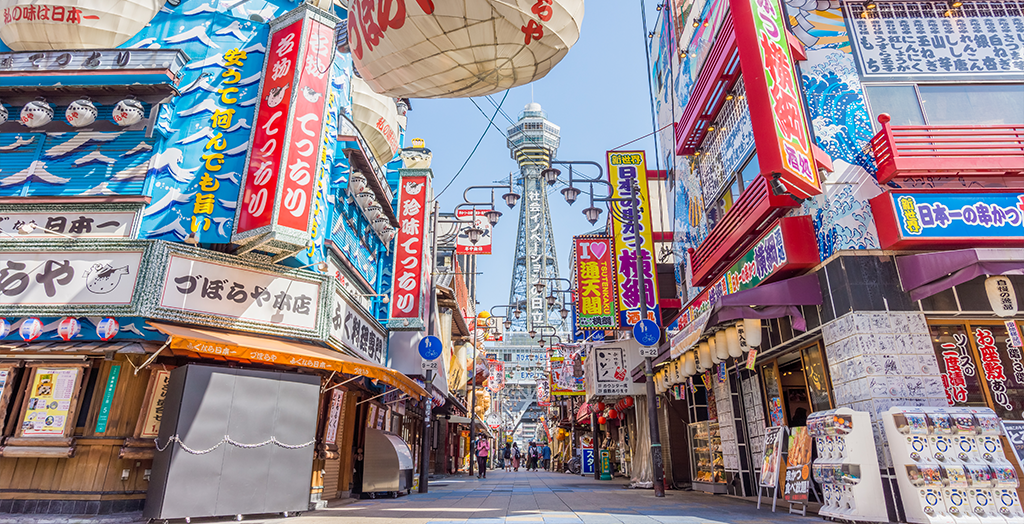
Ideal for: Business owner-occupiers, investors seeking stable long-term leases
Key Features:
Property types: Retail shops, offices, warehouses
Lease terms: Typically longer (3-10 years) but with higher vacancy risks
Advantages:
✅ Potentially higher rental yields than residential properties
✅ Suitable for owner-occupied businesses (e.g., restaurants, clinics)
Disadvantages:
⚠ Highly sensitive to economic cycles (e.g., high vacancy rates during COVID-19)
⚠ Stricter loan requirements (higher down payments, shorter repayment periods)
Important Reminders (Regardless of Property Type):
Always Verify:
✅ Earthquake Standards (Post-1981 construction preferred)
✅ Management Condition (Maintenance history, vacancy rates)
✅ Local Demand (Tenant demographics, future development plans)
Final Tip:
Japan’s real estate market is highly transparent – with the right property type, you can find the perfect investment!


